

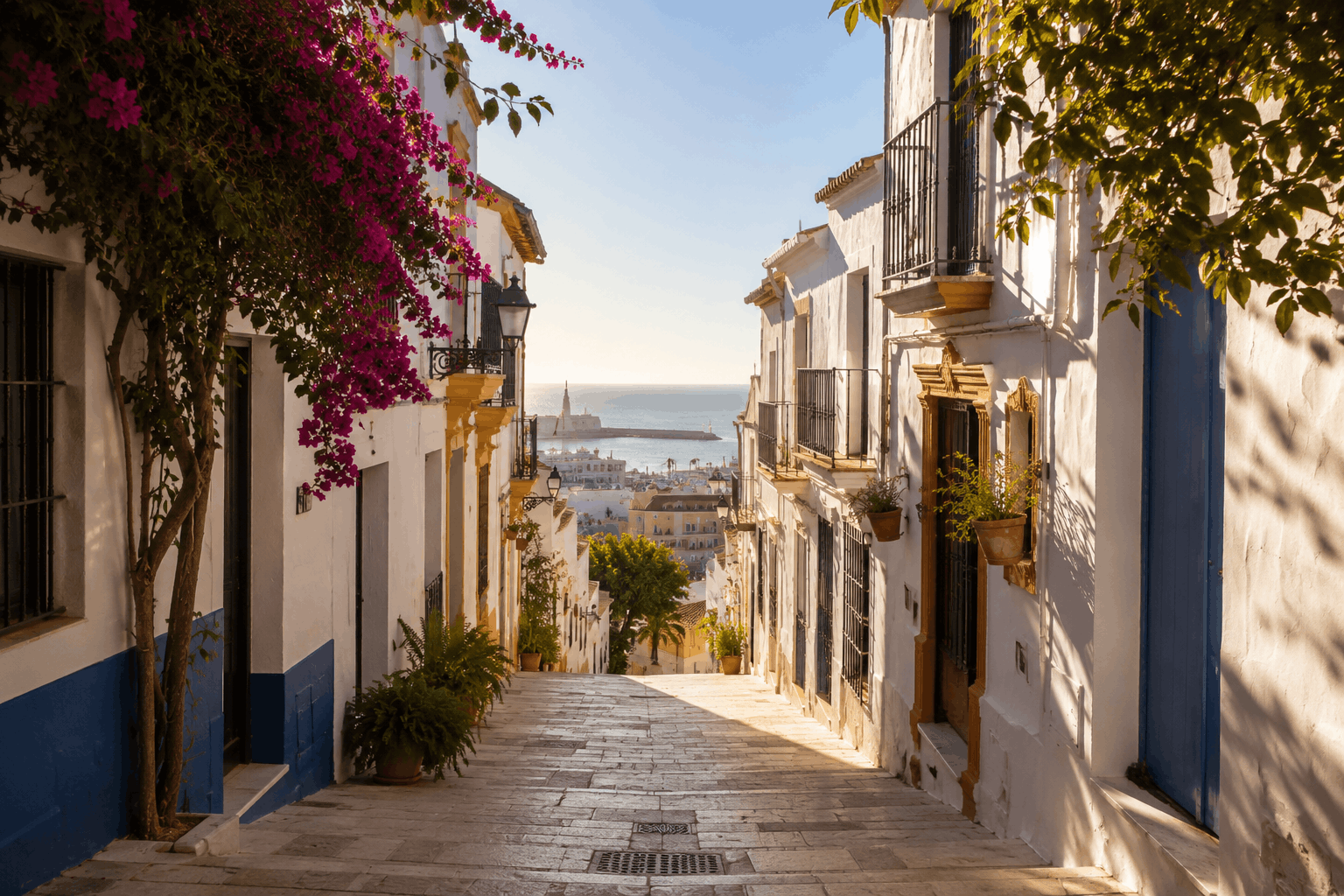
The quick answer
The cost of living in Málaga is around €1,100–1,400 per month for a single person, with rent being the main expense (€700–900 for a one-bedroom flat in a central area). The most popular neighbourhoods are Centro, Soho, La Malagueta, Pedregalejo and Teatinos; the most affordable are Ciudad Jardín and Huelin. The climate and safety are a real bonus; house prices and jobs outside the tourism sector are the downside.
1How much does it cost to live in Málaga? Let’s get straight to the point
Cheaper than Madrid or Barcelona, yes, but the bargain of ten years’ ago is long gone. A single person can get by on €1,100–1,400 per month with rent included, and it’s the cost of housing that really puts the squeeze on. If you want to work out the figures in more detail, here’s a breakdown the cost of setting up in Málaga in more detail elsewhere.
Indicative figures from idealista (2024); rents range from €11 to €17 per square metre depending on the neighbourhood. Please note: the prices shown on property websites are asking prices, not final sale prices.
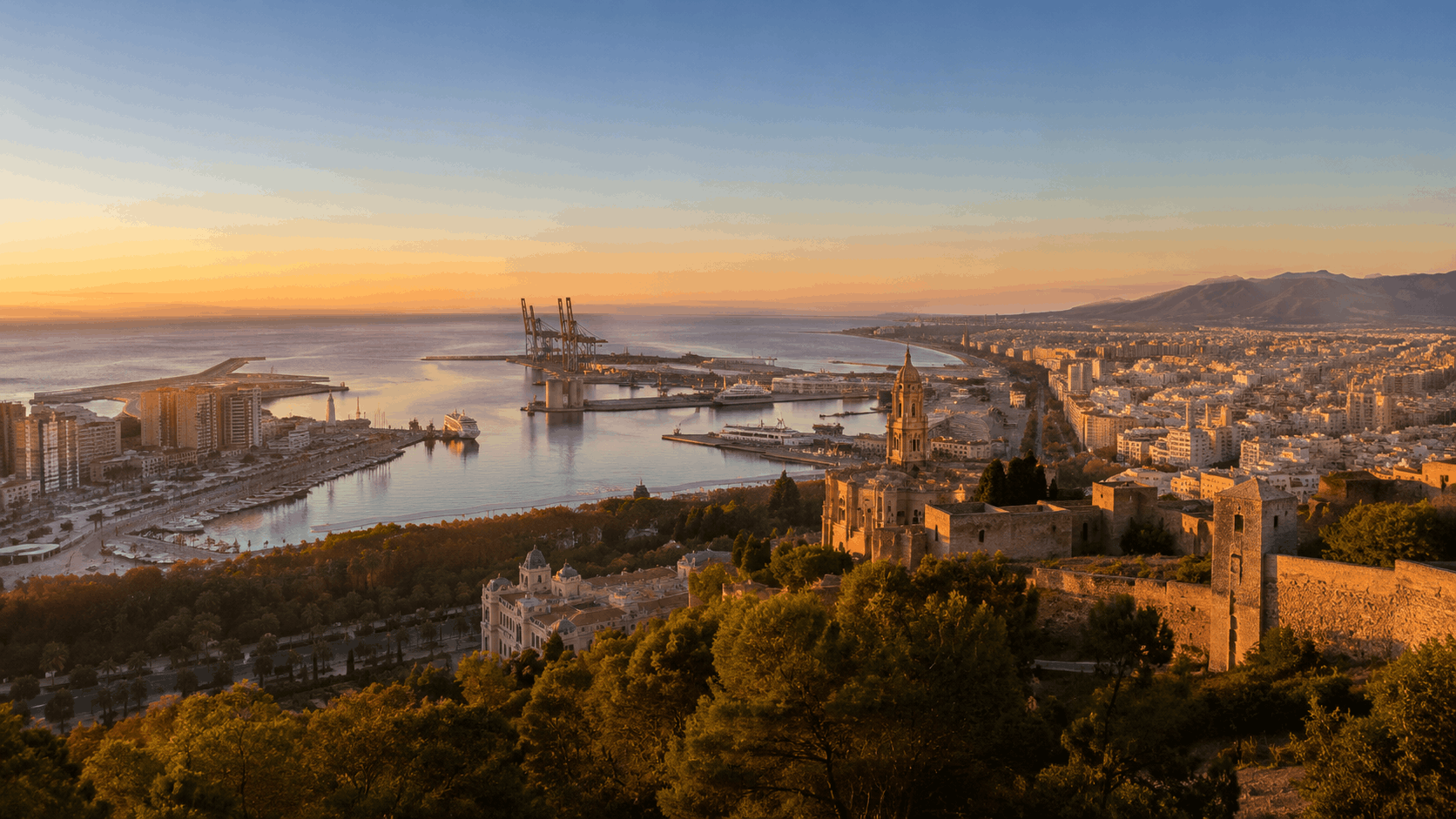
2Which neighbourhood do you see yourself living in? Málaga by area
Here Choosing a neighbourhood means choosing a lifestyle, no postcode. A pedestrianised historic centre, seaside neighbourhoods to the east, quiet areas to the west and a ring of villages just twenty minutes away for those seeking space and tranquillity. At a glance:
Central and Soho
Culture, tapas and everything within walking distance. Pricey, lively and a bit noisy; for those who prioritise atmosphere.
La Malagueta
An urban beach right next to the city centre. High prices and high demand; medium-to-high rents.
Pedregalejo and El Palo
A seaside atmosphere, a beach bar and grilled squid. A family favourite by the sea.
Theatines
Universitario, next to the UMA. Modern accommodation and young people; ideal for remote working.
Ciudad Jardín and Huelin
The most affordable and well-connected. A traditional neighbourhood atmosphere.
Villages in the area
Alhaurín de la Torre, Cártama or Rincón: more space and a quieter atmosphere, but a car is almost essential.
3The climate, safety and that quality of life we’re so proud of
The weather is the one argument that never fails: more than 300 days of sunshine and temperatures ranging from 7 to 31 °C. People spend most of the year outdoors, and the city is quiet and safe for its size. The downside: in summer, tourists flock to the city centre, driving up rents.
300+
sunny days
7–31°
annual ranking
Feb–Nov
beach season
~586k
inhabitants
In favour
Climate, safety, excellent public healthcare, beaches and leisure activities galore. A quality of life that’s hard to beat at this price.
Against
Mass tourism in the summer, rising house prices and limited employment outside the tourism and technology sectors.
4Working and working from home. From the ‘espeto’ to the TechPark
The labour market has two sides to it. The traditional sector (tourism, hospitality, retail) provides plenty of jobs but offers modest wages. Technology is shaping the future, and the profile of those arriving has changed.
+600
companies in the PTA
The Málaga TechPark It boasts over 20,000 jobs with companies such as Oracle, Google and Vodafone: hence its nickname, the «Silicon Valley of the South». Coworking spaces in Soho, the city centre and Teatinos, and an airport serving 136 destinations. If you’re paid from abroad, you earn as much as in Madrid and spend as much as in Málaga. And if you’re moving here from abroad, we’ll tell you what it’s like moving to the Costa del Sol as an expat.
5Newcomer. The paperwork they don’t tell you about
Nothing dramatic, but order must be maintained: first the registration, because almost everything else depends on it (including your health card and school). And if you’re renting, it’s worth knowing this in advance whether you should take out insurance. Here are the steps:
«Excellent service. They organised my move from Zurich to Málaga; everything arrived in perfect condition and at a very reasonable price. They answered all my questions throughout the process.»
6Moving house: there’s an art to getting a lorry into the city centre
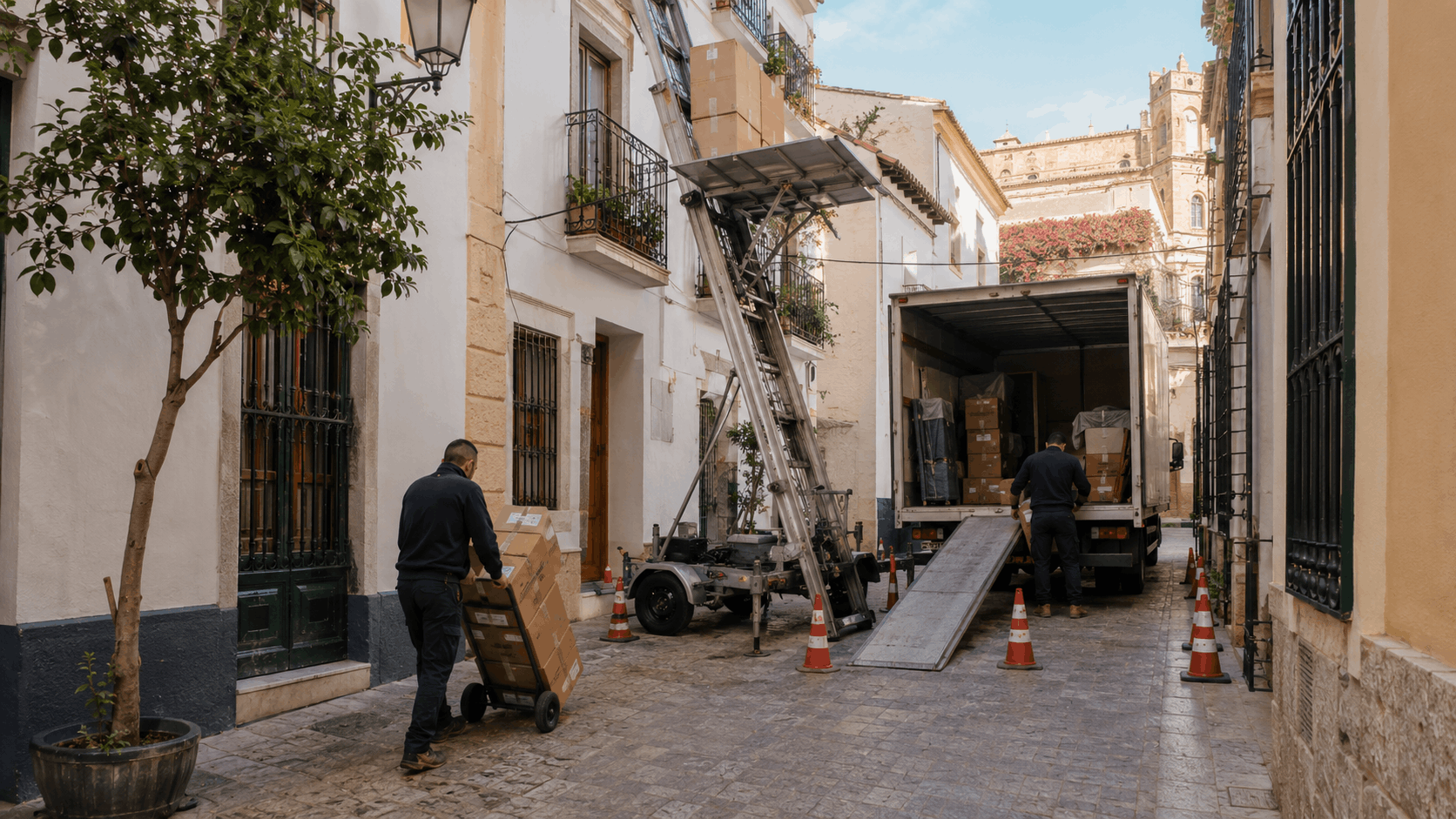
This is where almost all the guides on living in Málaga fall short: the move itself. Because it’s one thing to choose a neighbourhood, and quite another to pack your life into a lorry and get it all through a street in the old town, three metres wide. It’s much easier if you go about it systematically: here’s how organise the move to the new home step by step.
If your new house isn’t ready yet (which is quite common when the moving dates do not coincide), a pit stop at a self-storage in Málaga It saves you from having to stack boxes in a friend’s living room. And for everything else, you can rely on a company that removals in Málaga Knowing the permits and the impassable streets makes all the difference between a quiet day and a hectic one.
Three things that only those who work here know
The track reservation It is processed by the City Council’s Mobility Department and must be requested several days in advance. On the day itself, there are no spaces or permits available.
Many older buildings cannot accommodate large pieces of furniture via the staircase: the furniture assembly service It’s not a luxury; it’s the only way.
Stringing dates together hardly ever works out: a few days of self-storage facility They work out cheaper than a hotel for your boxes.
Before taking the plunge
Questions everyone asks before moving house
1How much money do you need to live in Málaga each month?
On average, a single person needs between €1,100 and €1,400 a month, including rent. The biggest expense is accommodation: a one-bedroom flat in a central area costs around €700–900 a month. For couples or in towns within the metropolitan area, the cost per person is lower, especially if they share the rent and transport costs.
2What are the best neighbourhoods to live in in Málaga?
It depends on what you’re looking for. For atmosphere and culture, the city centre and Soho; for the beach, La Malagueta and Pedregalejo; for families and students, Teatinos; and for those on a tight budget, Ciudad Jardín and Huelin. Those looking for space and peace and quiet often turn to Alhaurín de la Torre, Cártama or Rincón de la Victoria, all just twenty minutes away.
3Is Málaga a safe city to live in?
Yes. For a city of its size, Málaga is quiet and safe, with a good police presence in the city centre and a relaxed atmosphere. As in any capital city, there are certain areas and times when it’s best to use common sense, but the average resident doesn’t feel unsafe. Newcomers tend to have a very positive impression of the city.
4Is it worth moving to Málaga?
For most people, yes: the climate, quality of life, safety and a lower cost of living than in Madrid or Barcelona. The downsides are rising house prices and overcrowding due to tourism in the summer. If your job doesn’t depend on local tourism or you’re moving there to work remotely, the pros clearly outweigh the cons.
5Are there jobs in Málaga outside the tourism sector?
More and more so. Málaga TechPark is home to over 600 companies and accounts for more than 20,000 jobs in the technology sector, with firms such as Oracle, Google and Vodafone. Outside the tourism and tech sectors, the job market is more competitive and salaries are modest. Those in remote roles are the ones who make the most of the city.
6What formalities do I need to complete on arrival in Málaga?
The first step is to register with the local council, taking your tenancy agreement or property deed and your national identity card. With your certificate of residence, you can apply for an Andalusian health card, enrol your children in school and sort out the rest. Next, you’ll need to set up your utilities and, if you travel by bus, get an EMT travel card.
7Is it better to live in the city centre or in the surrounding villages?
The town centre offers a lively street-level atmosphere with everything close at hand, but at the cost of higher prices and noise. Towns such as Alhaurín de la Torre or Cártama offer more living space and peace and quiet for less money, but they almost make it essential to have a car and to make daily journeys. It is a lifestyle choice rather than a budgetary one.
8Do I need permission to park the removal van in the city centre?
In the historic centre and on narrow or pedestrianised streets, yes: you must apply to the council in advance for a road booking to park your vehicle next to the entrance. Trying to sort it out on the day itself usually results in a fine or having to carry your luggage by hand. A local company with experience handles this permit and organises the loading for you.


 Spanish
 English